Clarksville, TN
Fixing Noisy, Sticking Garage Door Rollers in Clarksville
Clarksville homes built in the 1980s and 90s need garage door roller replacement as steel rollers wear and nylon rollers crack in cold winters each year.
How It Shows Up
The first sign is almost always noise. A door that used to run quiet starts grinding on the way up, or you hear a rhythmic clunk every time a worn roller hits the seam in the track.
Jerky dried-out bearings
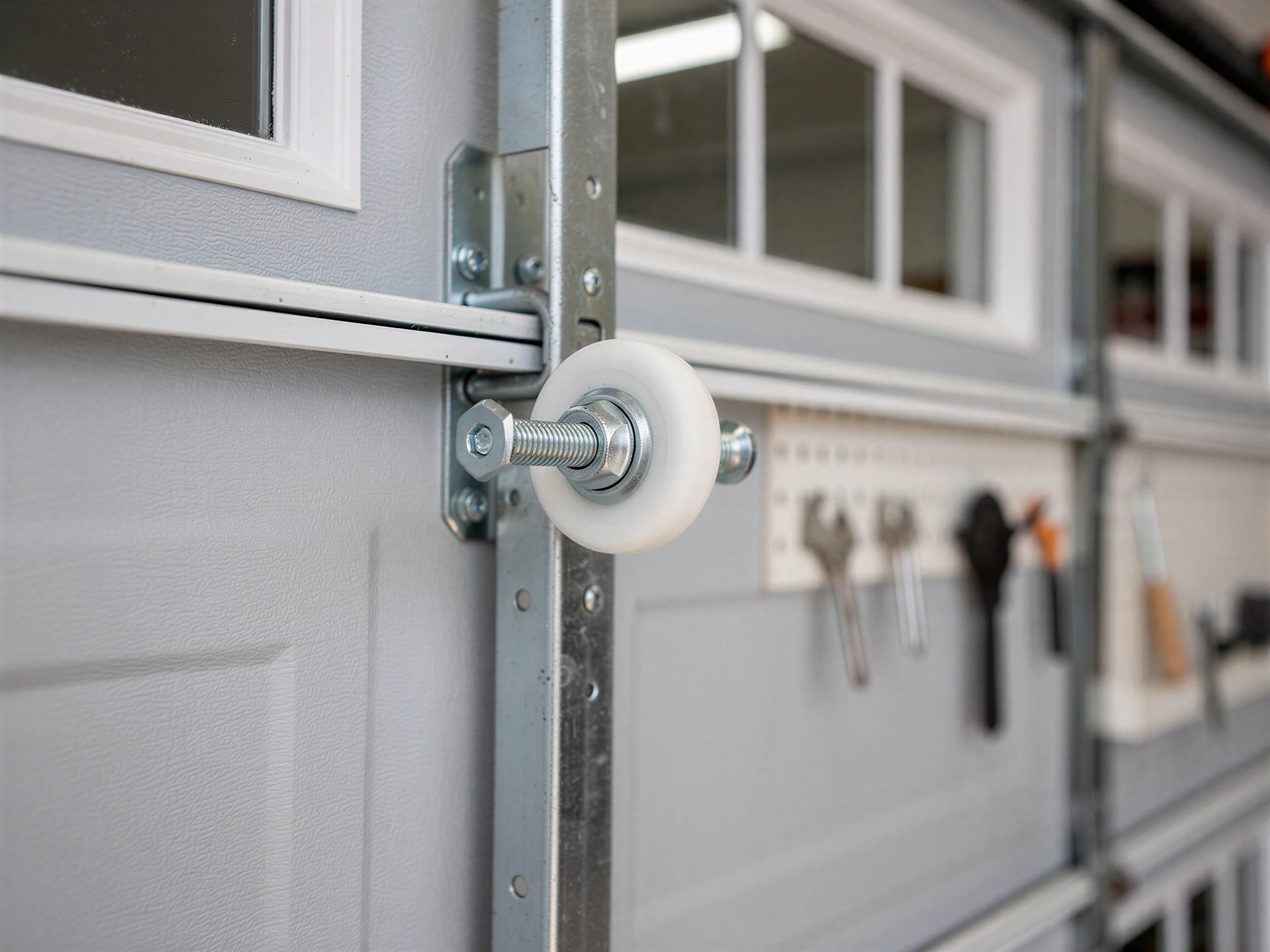
Then it gets jerky - the door hesitates, jumps a half-inch, catches again. On a lot of the builder-grade doors still in service here, the original rollers are steel with unsealed bearings, and once the lubricant dries out of those bearings they start to wobble in the track instead of rolling smooth.
Stalls and reversing
You'll also see it in the stalls - the door stopping partway and needing a second push on the wall button, or the opener straining and reversing because the roller is binding instead of rolling. Look at the track where the roller rides.
Grooves and flat spots
If you see shiny grooves worn into the steel, or flat spots on the roller wheel itself, that's wear, not a one-time glitch. Left alone, a bad roller doesn't stay a quiet problem. It starts pulling the track out of alignment, and then you're paying for track work too, not just rollers.
Why It Happens Here
Most of the housing in this service area went up in the 1980s and 90s, and that generation of garage doors came with steel rollers as standard, not the sealed-bearing nylon rollers that show up on newer builds. Those original rollers have had three or four decades to dry out, pit, and wear flat-sided from thousands of cycles. If your door has never had the rollers swapped, you're running on original 1980s-90s hardware whether you knew it or not.
The cold moderate climate band this area sits in adds a second stress. Nylon rollers - the common upgrade - get brittle in sustained cold, and the swing between a warm garage and a freezing morning is exactly the kind of temperature cycling that cracks nylon at the hub over time. Steel rollers don't crack that way, but they rust at the bearing if moisture gets in, which seizes the wheel and turns a rolling part into a dragging one.
Across the service area's 254 households, 223 are owner-occupied houses - mostly single-family homes of a similar age, which means this isn't a one-house problem. It's a pattern tied to when the housing stock went in and what came standard on the doors at the time.
What Can Go Wrong
A worn roller rarely stays an isolated problem. As the wheel flattens or the bearing seizes, it drags instead of rolling, and that drag transfers load to the track, the hinges, and eventually the cables.
Binding roller bends track
A track that's been pulled out of alignment by a binding roller can bend, and a bent track is a different repair than a roller swap - more labor, sometimes a track section replacement. On double doors especially, uneven roller wear on one side versus the other puts a twisting load on the whole panel assembly every time it cycles.
Crooked travel stresses gear
That's how you end up with a door that looks fine standing still but travels crooked, stressing the opener's drive gear along with everything else. Here's the honest limitation: if the track is already bent or the rollers have been grinding long enough to chew up the hinge brackets, roller replacement alone won't fix the door.
Doing the job twice
At that point you're looking at track and hardware work together, and trying to save money by replacing just the rollers means doing the job twice. A straightforward roller swap on rollers caught early is quick. A door that's been limping along for months usually isn't.
Doing It Yourself
Swapping a nylon roller on the bottom section of the door, with the door down and the opener disconnected, is a reasonable weekend job for someone comfortable with a wrench and a pair of pliers.
One roller at a time
You pull the hinge bolt, slide the old roller stem out of the track, and drop the new one in. Do one at a time so the panel stays supported. Where it gets dangerous is the top rollers near the torsion spring and the rollers on a door that's under spring tension with the door in the up position.
Stuck stem signals bend
Don't open the spring, don't work on the top section with the door raised, and don't force a roller stem that won't slide - that usually means the track is bent, not that you need more force. Steel rollers with sealed bearings are a different animal from the snap-in nylon kind; getting the old ones out sometimes means disassembling more of the hinge than a nylon swap requires.
Stop on bowed track
If you get partway in and the track looks bowed, or the roller won't seat, that's the point to stop and call it in rather than keep pushing on a part that's telling you something else is wrong.
Questions
Common questions
How do I know if it's the rollers or the track that's worn?
Run the door by hand with the opener disconnected and watch the roller wheel itself. If it wobbles, looks flat on one side, or the bearing is seized so the wheel doesn't spin at all, that's the roller. If the roller spins fine but the door still binds in one spot, suspect the track is bent or out of alignment instead.
Can I just replace the bottom rollers and leave the top ones?
You can, but rollers on the same door usually wear at close to the same rate since they cycle the same number of times. Replacing only the worst ones is fine as a short-term fix, but expect the others to need swapping before long, especially if they're the original steel rollers from the 1980s-90s hardware.
Why do nylon rollers crack after a few winters?
Nylon gets brittle in sustained cold, and this area's winters put enough repeated freeze-thaw cycling on the hub where the roller meets the stem that small cracks form and eventually let go. Steel rollers don't crack that way, but they can rust and seize instead.
Explore more
Explore More Services In Clarksville, TN
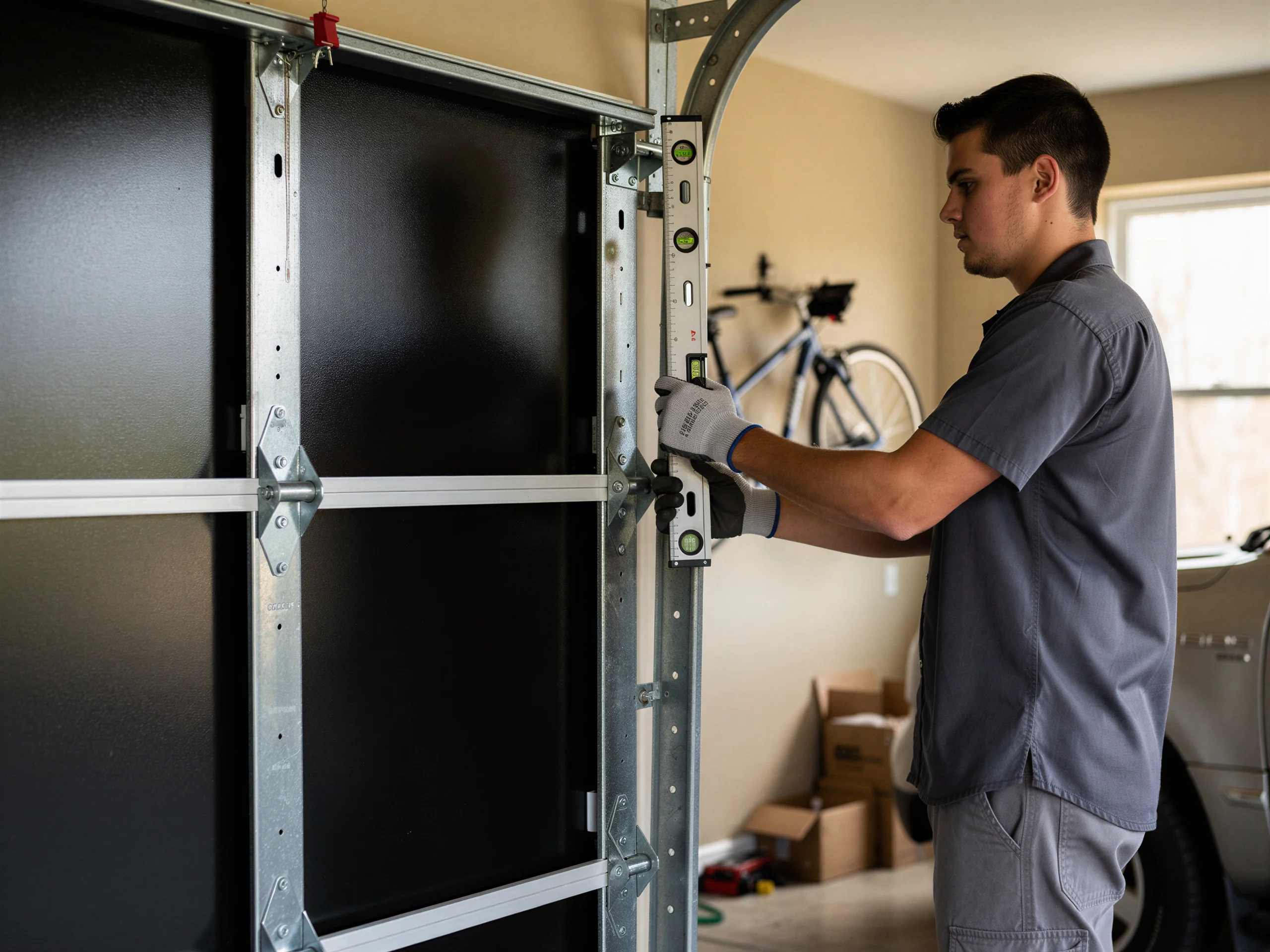
Garage Door Repair for Clarksville's 1980s and 90s Housing Stock
Garage door repair for Clarksville homes built in the 1980s and 90s, where original springs and tracks are now hitting the end of their service life. Learn more →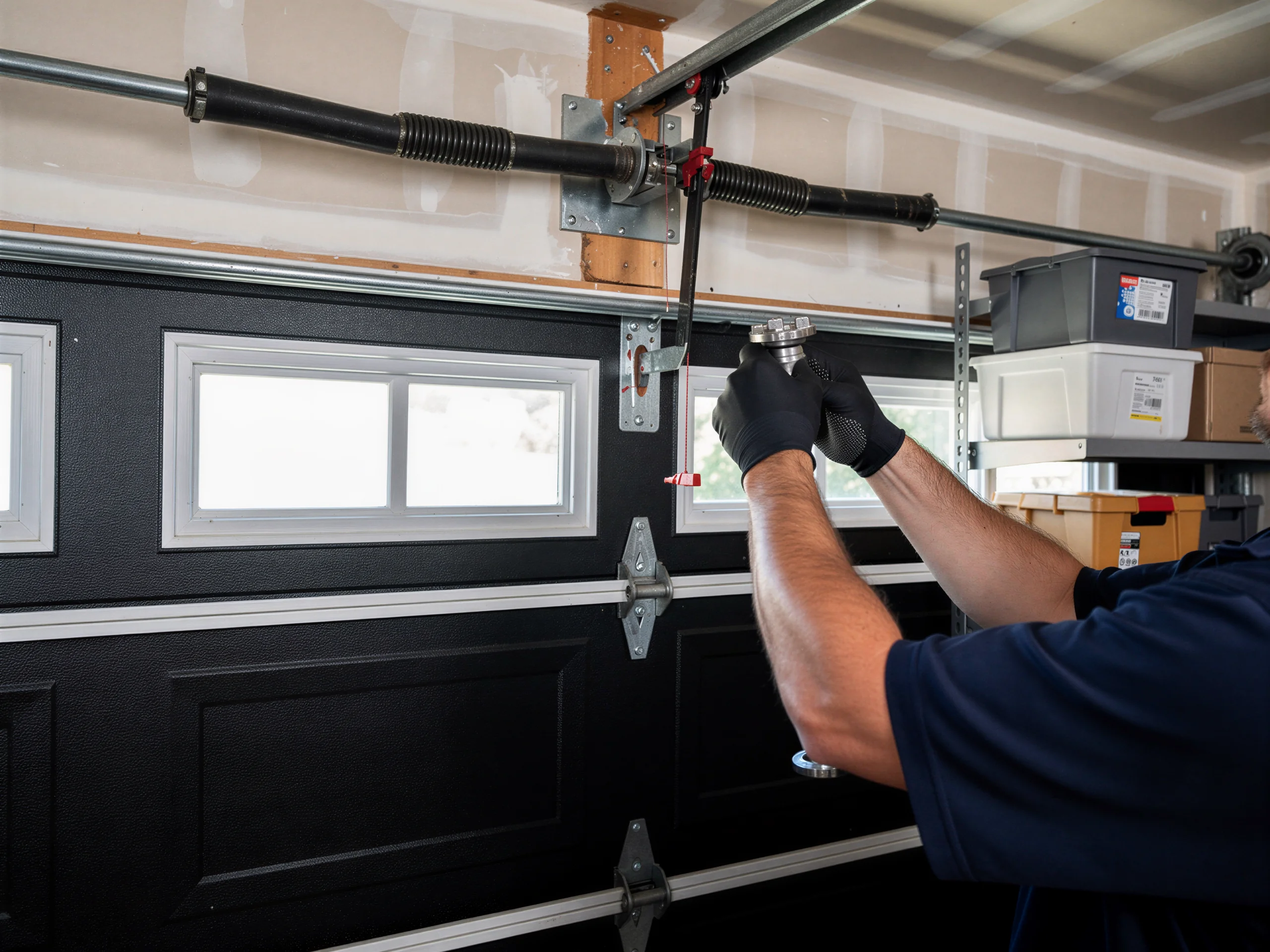
Garage Door Spring Repair for Clarksville Homes
A broken torsion spring on a 30-year-old Clarksville garage door isn't rare here. Learn more →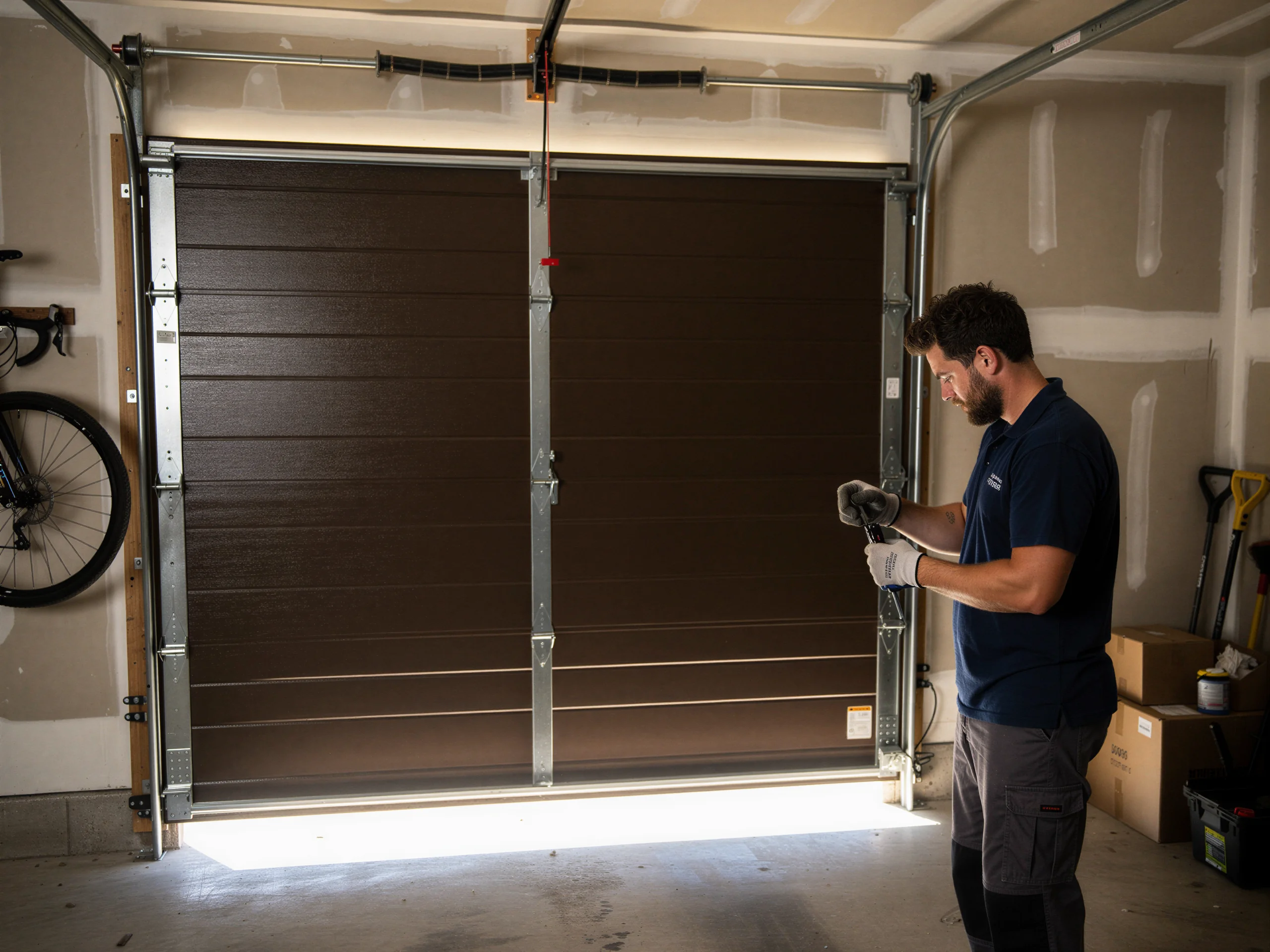
Installing a New Garage Door in Clarksville, TN
Clarksville Garage Door Pros installs garage doors built for 1980s-90s homes and cold winters near Clarksville, TN, serving homeowners across the area. Learn more →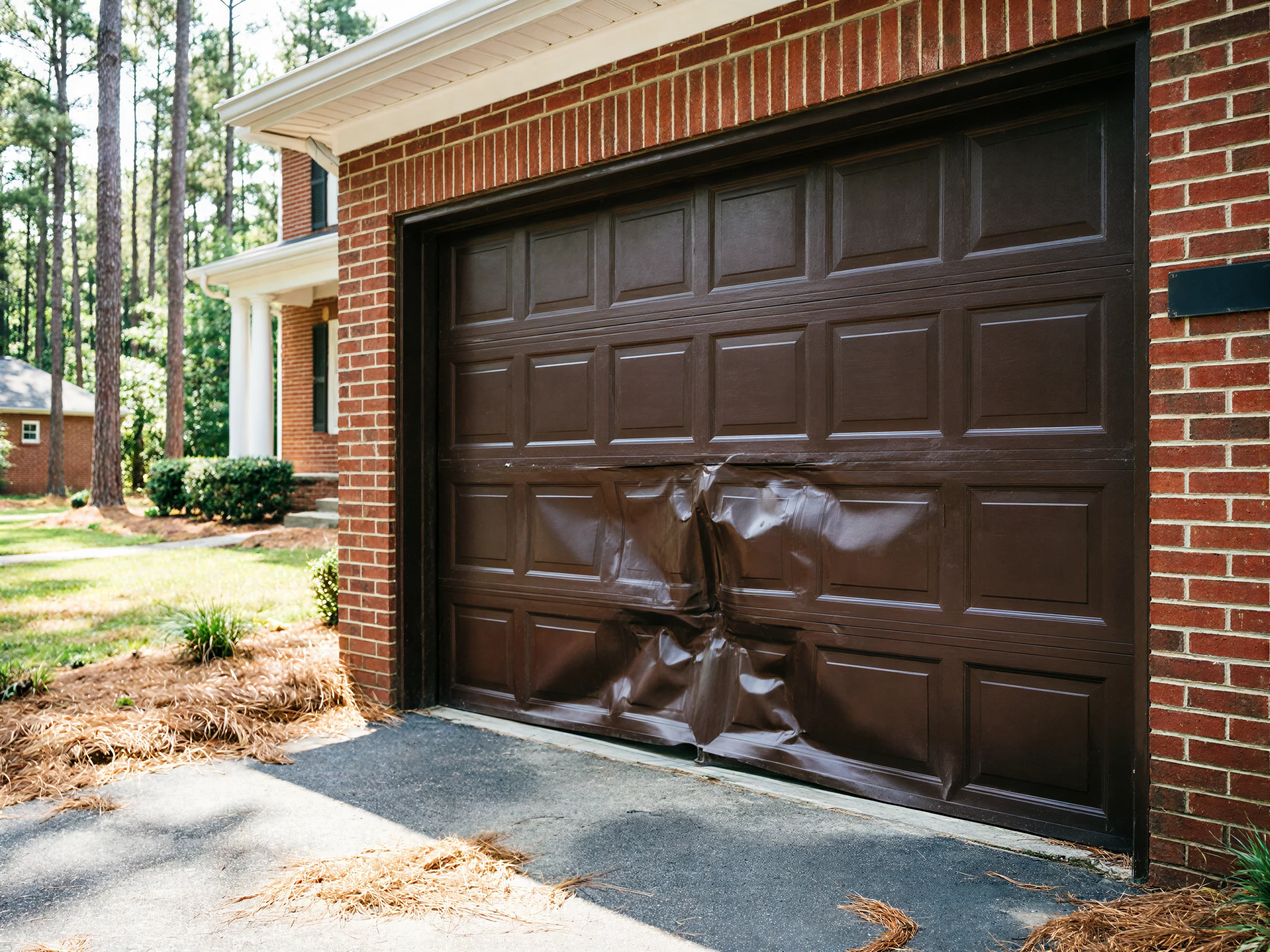
Panel Replacement for Clarksville Garage Doors
Dented or rusted garage door panels are common across Clarksville's 1980s-90s housing stock. Learn more →
Garage Door Service for Clarksville Homes
Clarksville Garage Door Pros services the 1980s and 90s housing stock across Clarksville, TN, where cold winters wear down original springs and openers fast. Learn more →
Garage Door Maintenance Built for Clarksville's Housing Stock
Garage door maintenance built around Clarksville's 1980s-90s housing stock and cold-moderate winters. Learn more →Ready when you are
Need a garage door sorted in Clarksville?
Clarksville Garage Door Pros repairs and installs garage doors, springs and openers in Clarksville, TN and the surrounding area.