
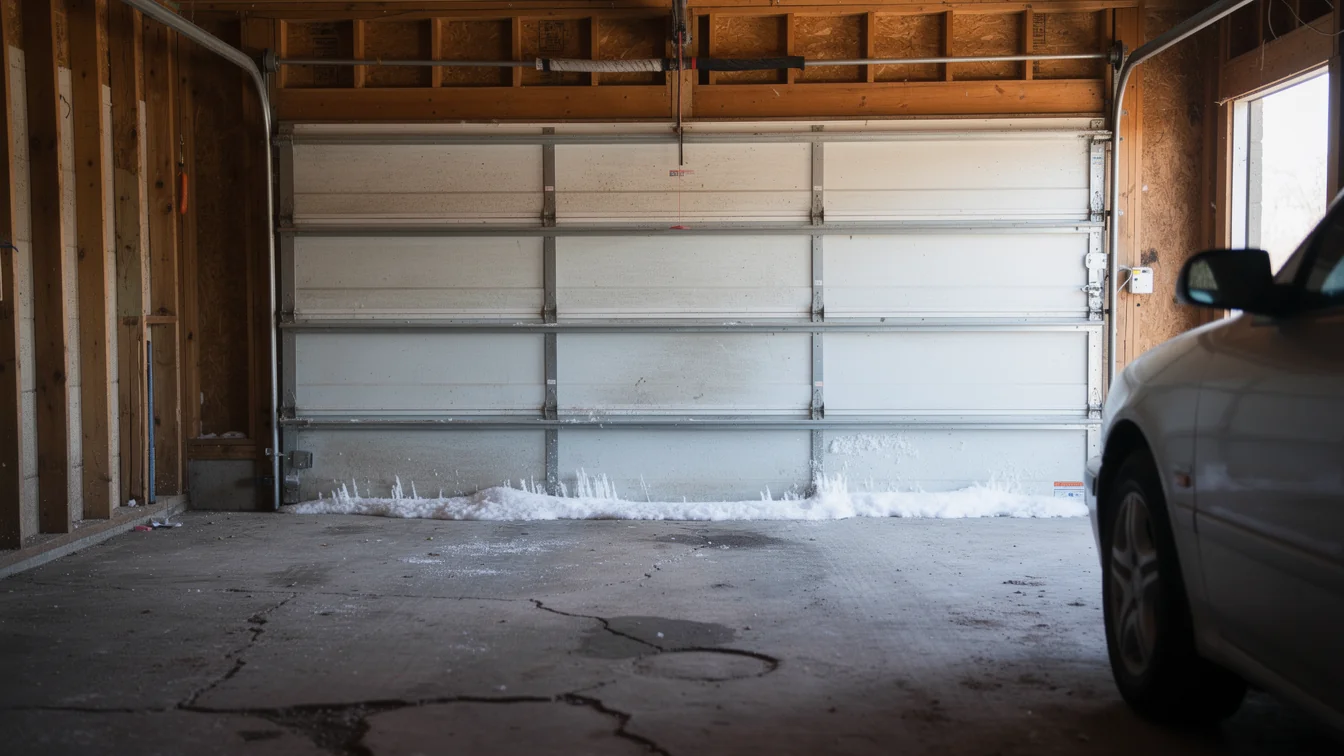
 Garage Door Repair Built Around Clarksville's Housing Stock
Clarksville Garage Door Pros explains what drives repair costs, the most common mistake owners make, and how cold winters wear on doors built in the 1980s and 90s.
What Happens to Your Opener When the Power Goes Out
Clarksville's 1980s-90s housing stock means a lot of original openers still running. Here's what power cuts and cold snaps actually do to them, and what it costs to fix.
Local detail
What It Costs
We can't quote you a number here without seeing the opener, because the range depends on whether the unit is original to the house or a later swap, and whether the circuit board, the logic unit, or just a battery backup pack is the problem. What we can tell you is how the decision usually plays out in this service area. A lot of the 254 households we track are in houses built in the 1980s and 90s, and a good share of those still have the opener that came with the house. At that age, a board failure after a power cut often costs close to what a new opener runs, once you add labor. With a median household income of $66,250 here, most owners want that math laid out plainly before they commit to a repair instead of a replacement. Our honest limitation: if the opener is original to a 1980s build, we'll tell you straight when a repair isn't worth it rather than patch a board that's going to fail again in the next outage.
The area
The Common Mistake
The mistake we see most is someone assuming a dead opener after a power cut means the opener itself is broken, when it's often just the logic board that lost its memory or a battery backup pack that never had a charge to begin with. People reset the breaker, the light comes on, and they figure it's fixed. Then the next outage leaves them locked out again. In houses from the 1980s and 90s stock common across this area, the original openers were never built with battery backup at all, so a power cut just stops them cold with no fallback. Owners sometimes don't realize their opener predates that feature entirely. The second mistake is trying to force the door with the opener still engaged during an outage instead of pulling the manual release cord first. On an older track and roller setup, forcing it can bend the arm or strip the drive gear, turning a free fix into a parts order.
What we find
What the Weather Here Does to It
Clarksville sits in a cold, moderate climate band, and that swing between humid summers and real winter cold is hard on opener electronics. Cold snaps are also when power cuts are most likely, which means the two problems tend to show up together: the grid drops right when the opener's board is already running stiff from the temperature. Battery backup packs, where they exist, lose a meaningful chunk of their charge in cold weather, so a unit that would ride out a summer outage fine can die within minutes in January. Chain and belt drives also tighten up in the cold, which puts extra load on a motor that's already working to compensate for a weak battery. None of this is unique to any one house, but it hits hardest on the original 1980s and 90s openers still common here, since those motors and boards weren't built with today's cold-weather tolerances in mind.
How we work
What Is Going On
When the power cuts out, a garage door opener with no battery backup simply stops drawing current, full stop, and the door stays wherever it was in its travel. The manual release cord disconnects the carriage from the trolley so you can lift the door by hand, which is the only way in or out until power or a backup returns. On openers with a battery backup, a cut should trigger an automatic switch, but weak or aging batteries, especially in cold weather, often fail to carry the load long enough to finish a cycle. After the power comes back, some logic boards need to re-learn the door's travel limits before they'll behave normally again. In the service area, which reaches out to Adams, 16 miles from the center of town, we see a steady pattern: older rural properties with original equipment from the 1980s and 90s building boom here are the ones most likely to have no backup at all when the lights go out.
Questions
Common questions
Does my opener have battery backup already
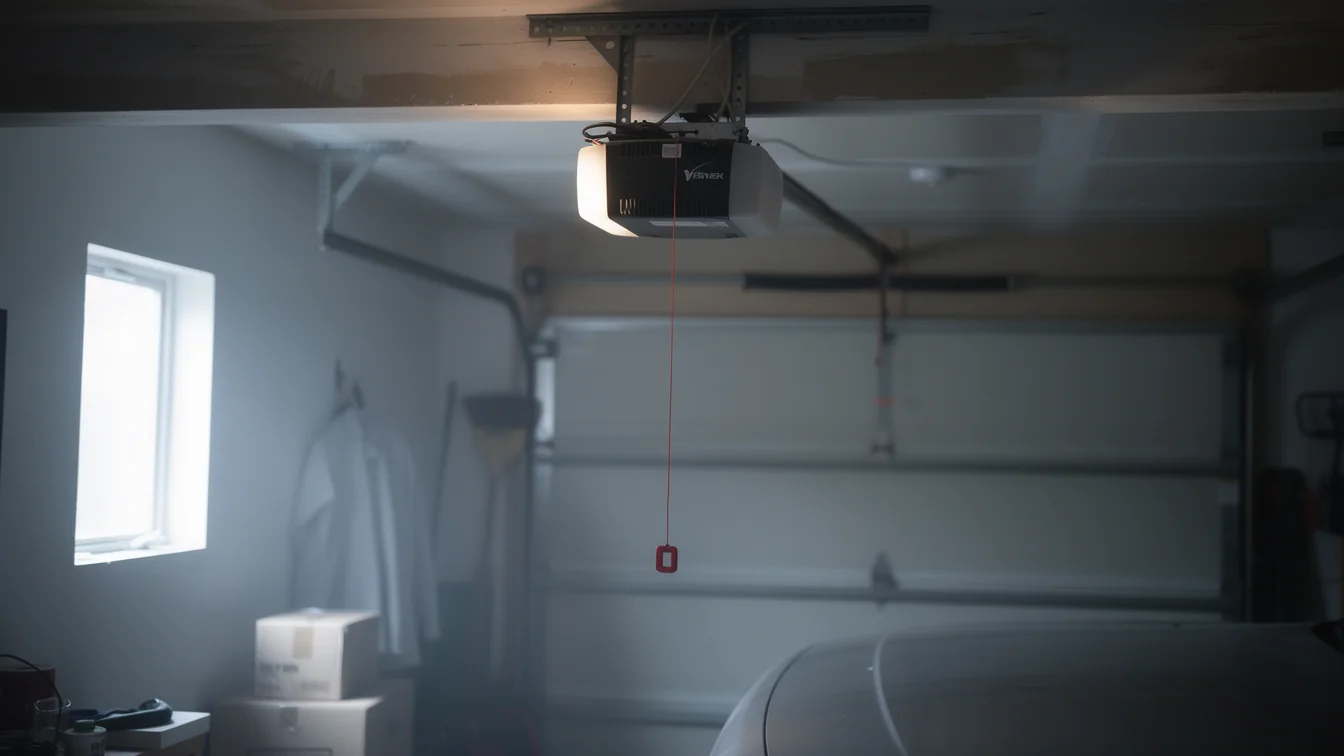
Open the housing and look for a battery compartment near the motor unit, usually a black box with a cord running to the control board. If your opener came with the house during the 1980s or 90s building period common in this area, it most likely doesn't have one, since that feature wasn't standard equipment back then.
Why did my opener die the moment the power went out
If there's no battery backup, that's expected, the motor has no power source once the grid drops. If you do have a backup pack and it still died, the battery is likely old or was already weak before the outage, which cold weather makes worse.
Should I replace the whole opener or just the battery pack
Depends on the age of the unit. If it's an original opener from the 1980s or 90s housing stock common here, a battery pack alone usually isn't worth adding since the rest of the unit is near the end of its life anyway. A newer opener is often worth just adding the backup.
Recommendation
You Might Also Like
More garage door guides for Clarksville homeowners.
Garage Door Repair Built Around Clarksville's Housing Stock
Clarksville Garage Door Pros explains what drives repair costs, the most common mistake owners make, and how cold winters wear on doors built in the 1980s and 90s.
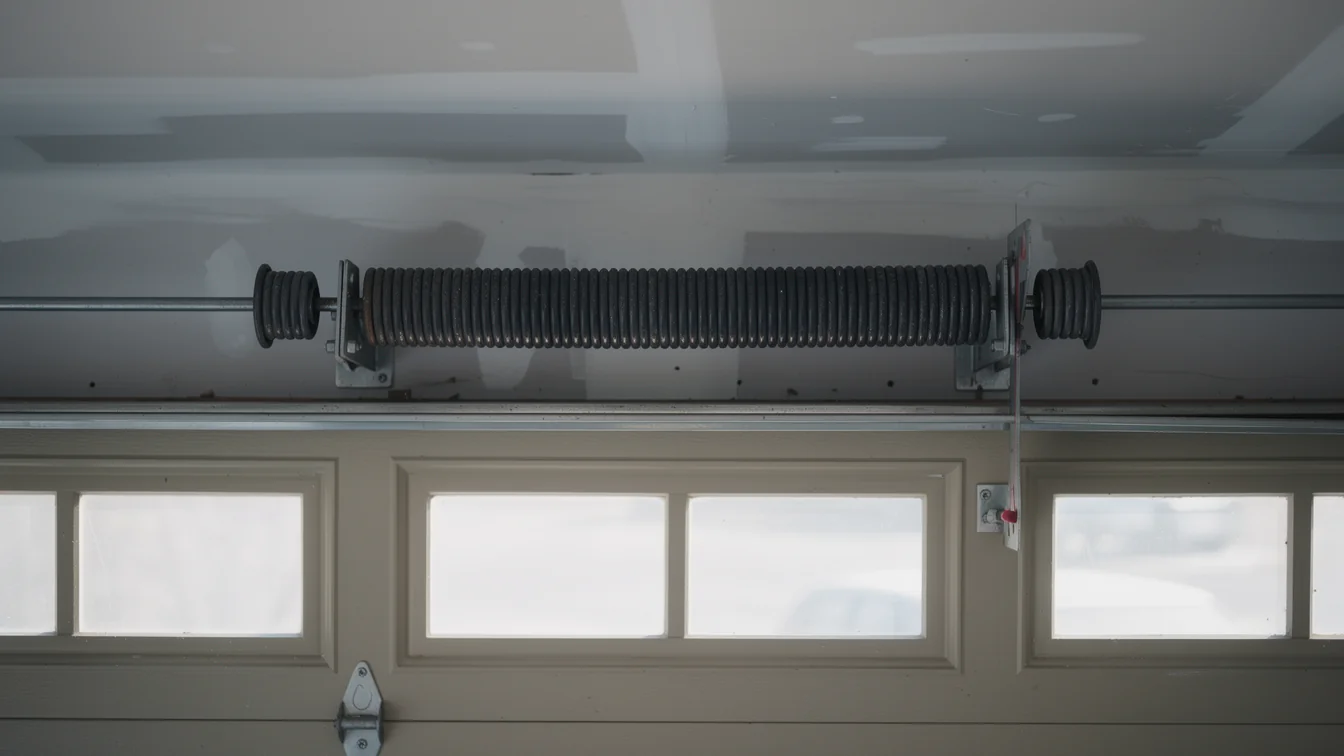 What Actually Happens to Garage Doors in Clarksville
A straight look at what drives garage door repair costs in Clarksville, the mistake owners of 1980s-90s houses make, and what cold weather does to old springs.
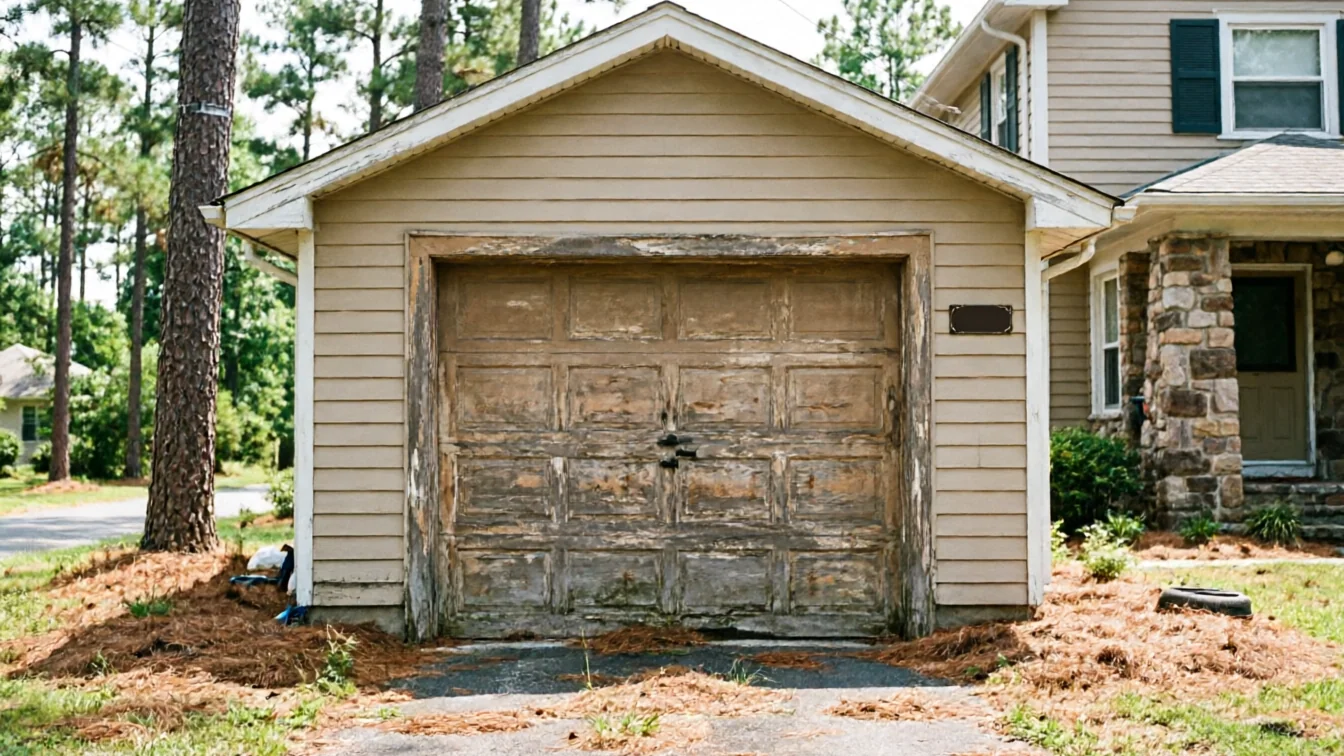 What an Older Garage Door Is Actually Worth Fixing
Garage door repair advice for Clarksville, TN: what 1980s-90s builder doors need, how our cold climate affects them, and when fixing beats replacing.
Ready when you are
Need a garage door sorted in Clarksville?
Clarksville Garage Door Pros repairs and installs garage doors, springs and openers in Clarksville, TN and the surrounding area.