
Clarksville, TN
Garage Door Maintenance Built for Clarksville's Housing Stock
Garage door maintenance built around Clarksville's 1980s-90s housing stock and cold-moderate winters. Catch spring wear and track issues before they strand your car.
How It Shows Up
The first sign is rarely a door that won't open at all. It's a door that hesitates halfway up, or reverses on its own, or makes a grinding noise it didn't make last winter.
Cold-morning spring strain
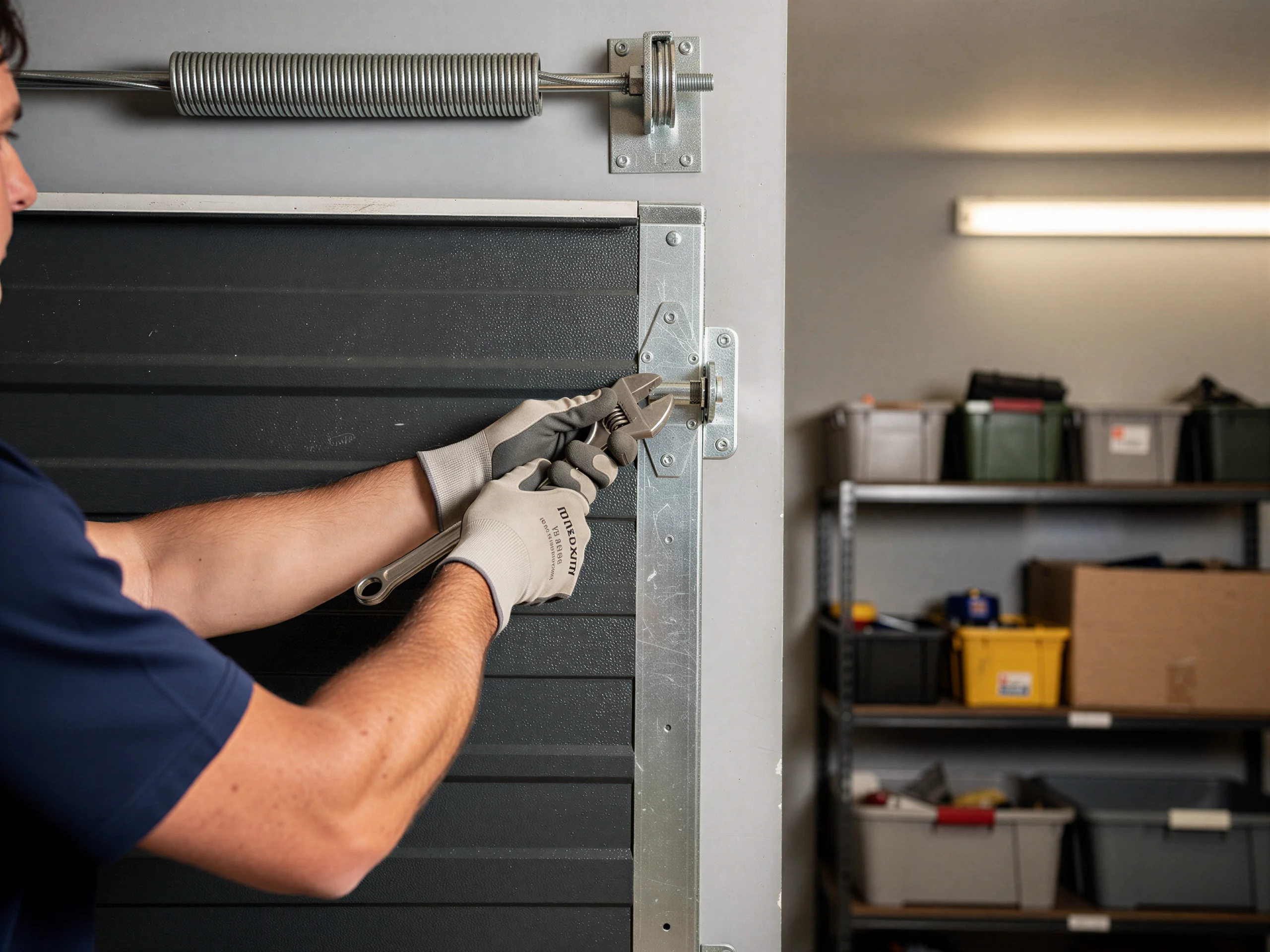
Owners usually notice it on a cold morning when the spring has to work harder to lift a door that's been sitting at a lower temperature all night. Across this service area, where most garage doors and openers date to the 1980s and 90s build-out, the common complaint is a torsion spring that's lost tension gradually rather than snapped outright, or rollers that have worn enough to make the door rattle in the track.
Years without upkeep
With 223 of the 254 households here owning their house outright rather than renting, most of these doors have had one owner's worth of wear and no scheduled upkeep beyond an occasional can of spray lubricant. That adds up over three or four decades.
Slow drift before failure
A door that's starting to fail doesn't usually announce itself with a loud bang. It's a slow drift - a little more noise, a little more hesitation, a cable that's starting to fray at the drum. Catching it in this stage is what maintenance is for.
Why It Happens Here
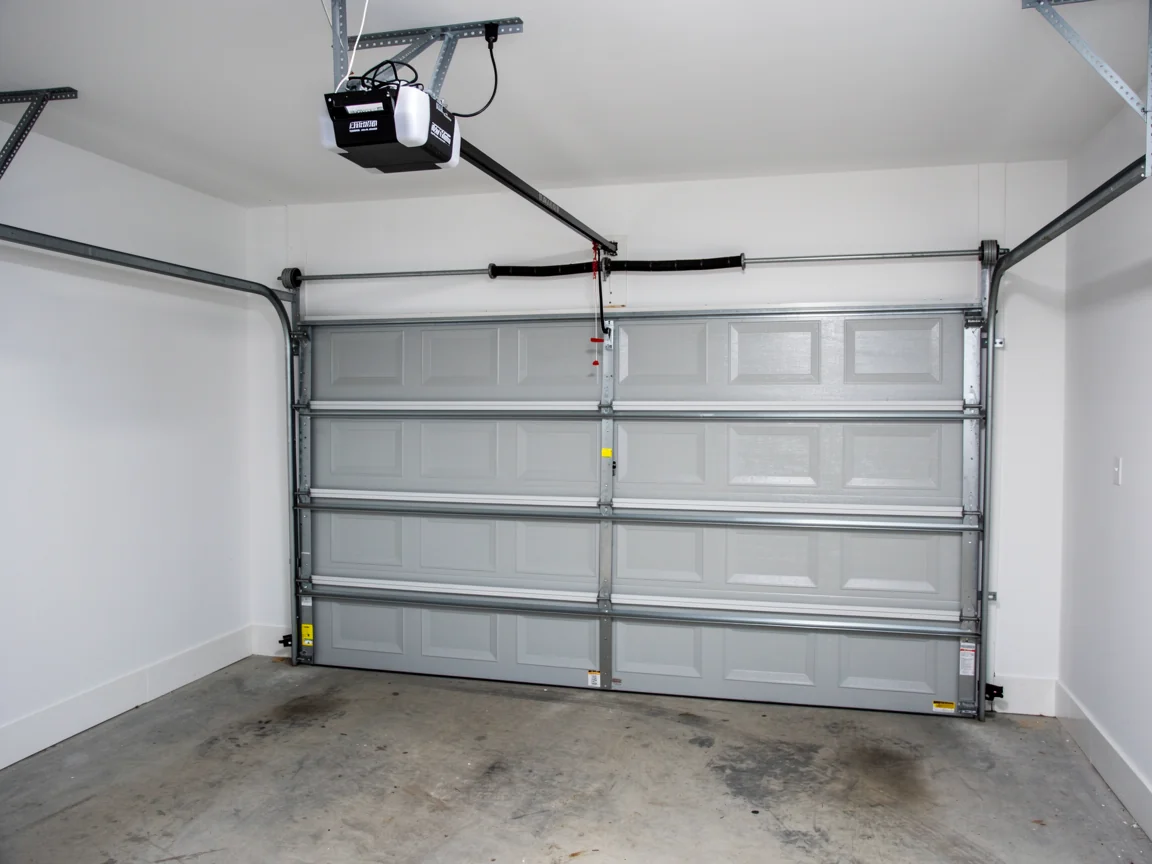
Two things stack on top of each other in this area: the age of the housing stock and the climate band. A door and opener system installed in the 1980s or 90s is well past the point where springs, cables, and rollers were engineered to last without attention - galvanized springs are typically rated for a set number of cycles, and a door opened twice a day for thirty-plus years has used most of that life even if nothing has broken yet.
Layer a cold moderate climate on top of that and the wear accelerates in a specific way. Steel contracts in cold weather, which stiffens springs and tightens tolerances in the track just enough to put more load on hardware that's already fatigued. Lubricant that worked fine in summer thickens up in winter and stops doing its job right when the door needs it most. None of this is dramatic - it's gradual, which is exactly why it goes unnoticed until the day the spring lets go or the opener starts straining audibly.
This isn't a problem unique to one house. It's a pattern tied to when this area was built and what the winters do to steel hardware that's been in service since then.
What Can Go Wrong
Left alone, a few specific failures show up more than others in houses from this era. A torsion spring that's been cycling for decades can break without warning - usually on a cold morning, since the contracted steel is under more stress.
Forcing strips gears
When that happens, the door won't lift, or it'll lift a few inches and stop, and trying to force it with the opener can strip the gears or bend the trolley. Worn rollers in an aging track eventually bind or jump the rail, which puts uneven load on the cables.
Uneven door safety risk
A frayed cable under that kind of stress can snap, and a door coming down unevenly on one side is a safety issue, not just an inconvenience - it can come off the track entirely. Openers from the 1980s and 90s often lack the auto-reverse sensors required in current systems, and age makes the drive gear brittle.
Stuck mid-cycle
A gear that strips mid-cycle leaves the door stuck wherever it was when it failed, which is its own kind of bad morning if the car's inside or outside at the wrong moment. None of these are reasons to panic. They're reasons to have the spring tension, cables, and rollers looked at before winter does the job of finding the weak point for you.
Doing It Yourself
Some of this is reasonable for an owner to handle. Visually checking the cables for fraying, listening for new grinding noises, and keeping the track clear of debris doesn't require a technician.
Right lubricant matters
Lubricating rollers and hinges with the right garage-door-rated lubricant (not household oil, which attracts grit) is worth doing a couple of times a year, especially heading into cold weather. What's not a do-it-yourself job is anything involving the torsion spring itself.
Springs stay professional
These springs are under enough tension to cause serious injury if released wrong, and the tools to adjust them safely aren't something most garages have lying around. If a spring looks worn, stretched, or has a visible gap in a coil, that's a call-a-professional situation, not a weekend project.
Service now, not January
We'll say plainly: if your door and opener are original to a house built in the 1980s or 90s and nobody's serviced the hardware since, a maintenance visit now is cheaper than an emergency spring replacement in January. That's true whether you're in Clarksville proper or out toward Adams, 16 miles north, where the same housing-era and climate pattern applies.
Questions
Common questions
How often should I get my garage door serviced in Clarksville?
There's no single number that fits every door, but if your door and opener are original to a house from the 1980s or 90s, an annual check before winter catches most of the spring and roller wear before it turns into a stuck door or a snapped cable.
Why does my garage door act up more in winter?
Cold weather stiffens steel. A torsion spring that's already worn from decades of cycling has to work harder when it's contracted from the cold, which is why failures cluster on cold mornings rather than spreading evenly through the year.
Can I lubricate my own garage door?
Yes - rollers, hinges, and the track are fine to lubricate yourself with a garage-door-rated spray a couple of times a year. Just skip the torsion spring itself; that's not a part to touch without the right tools and training.
Is it worth maintaining an old opener instead of replacing it?
It depends on what's actually wrong. A worn gear or a dirty sensor is worth fixing. But openers from the 1980s and 90s often lack modern auto-reverse safety features, so at some point replacement makes more sense than repeated repair - we can tell you which situation you're in.
Explore more
Explore More Services In Clarksville, TN
Panel Replacement for Clarksville Garage Doors
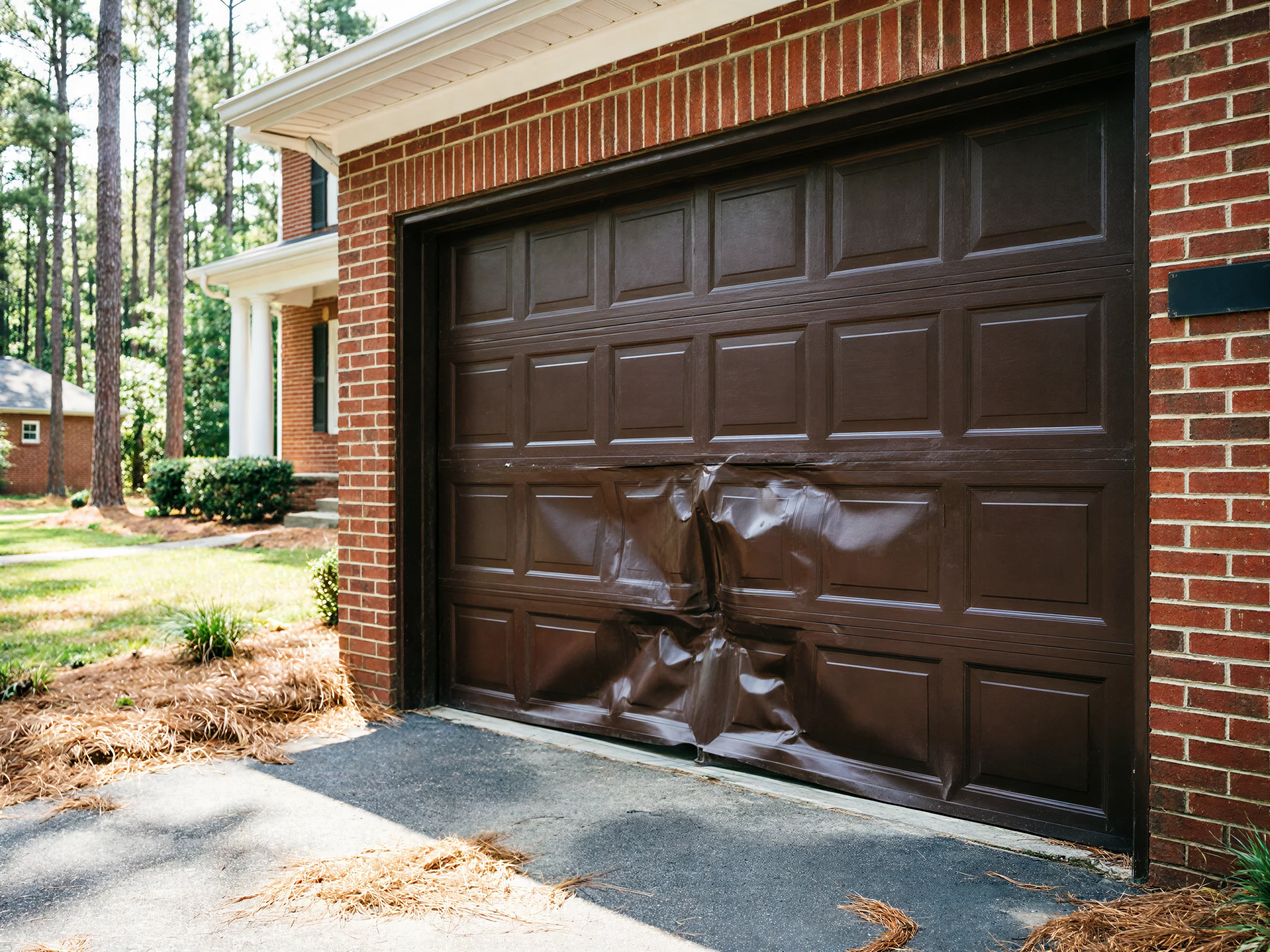
Dented or rusted garage door panels are common across Clarksville's 1980s-90s housing stock. Learn more →
Garage Door Service for Clarksville Homes
Clarksville Garage Door Pros services the 1980s and 90s housing stock across Clarksville, TN, where cold winters wear down original springs and openers fast. Learn more →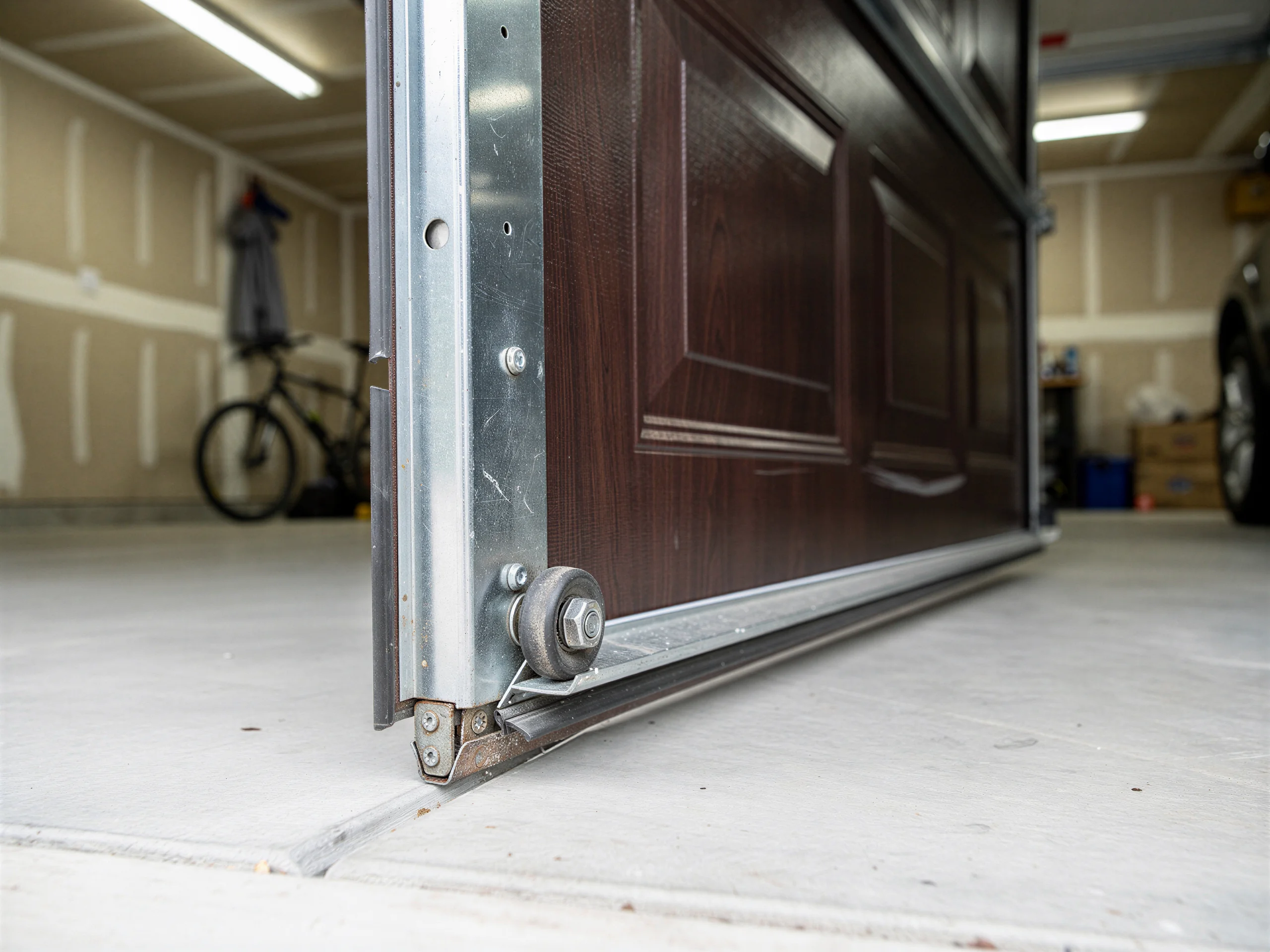
Garage Door Off Track? Here's What's Actually Going On
A garage door off its track in Clarksville, TN needs a fast, careful fix - rollers and tracks on 1980s-90s houses wear differently than newer stock here. Learn more →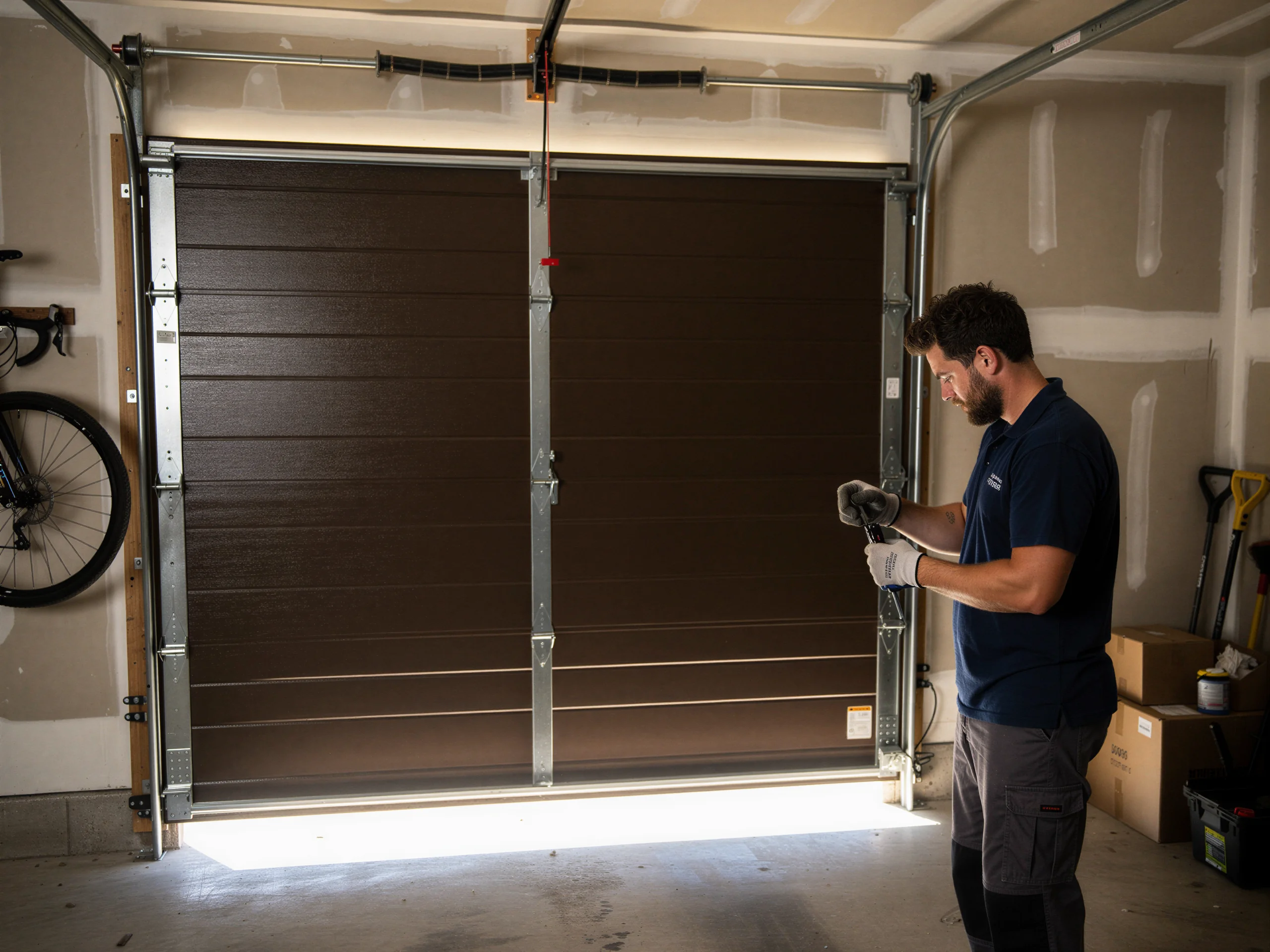
Installing a New Garage Door in Clarksville, TN
Clarksville Garage Door Pros installs garage doors built for 1980s-90s homes and cold winters near Clarksville, TN, serving homeowners across the area. Learn more →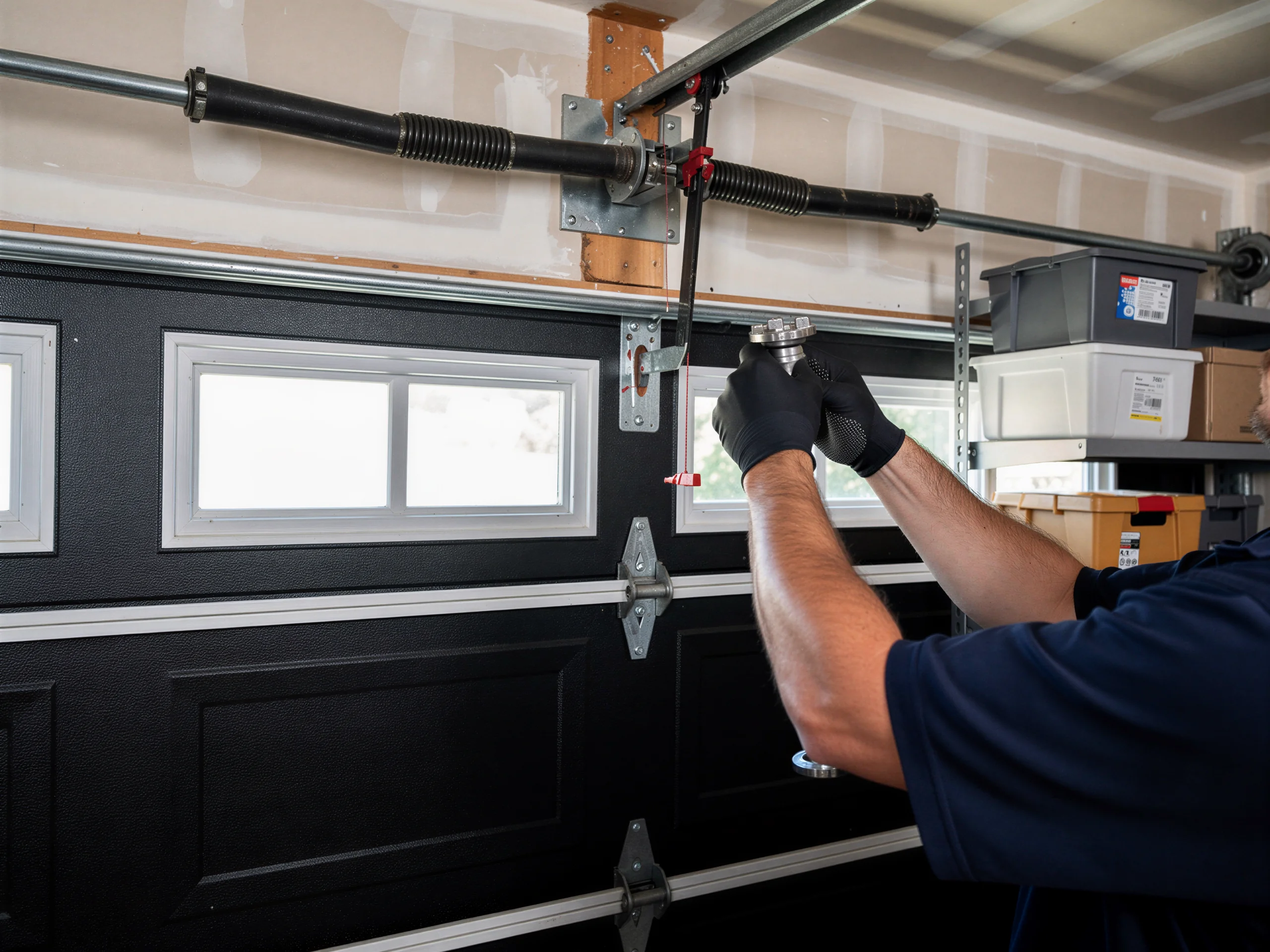
Garage Door Spring Repair for Clarksville Homes
A broken torsion spring on a 30-year-old Clarksville garage door isn't rare here. Learn more →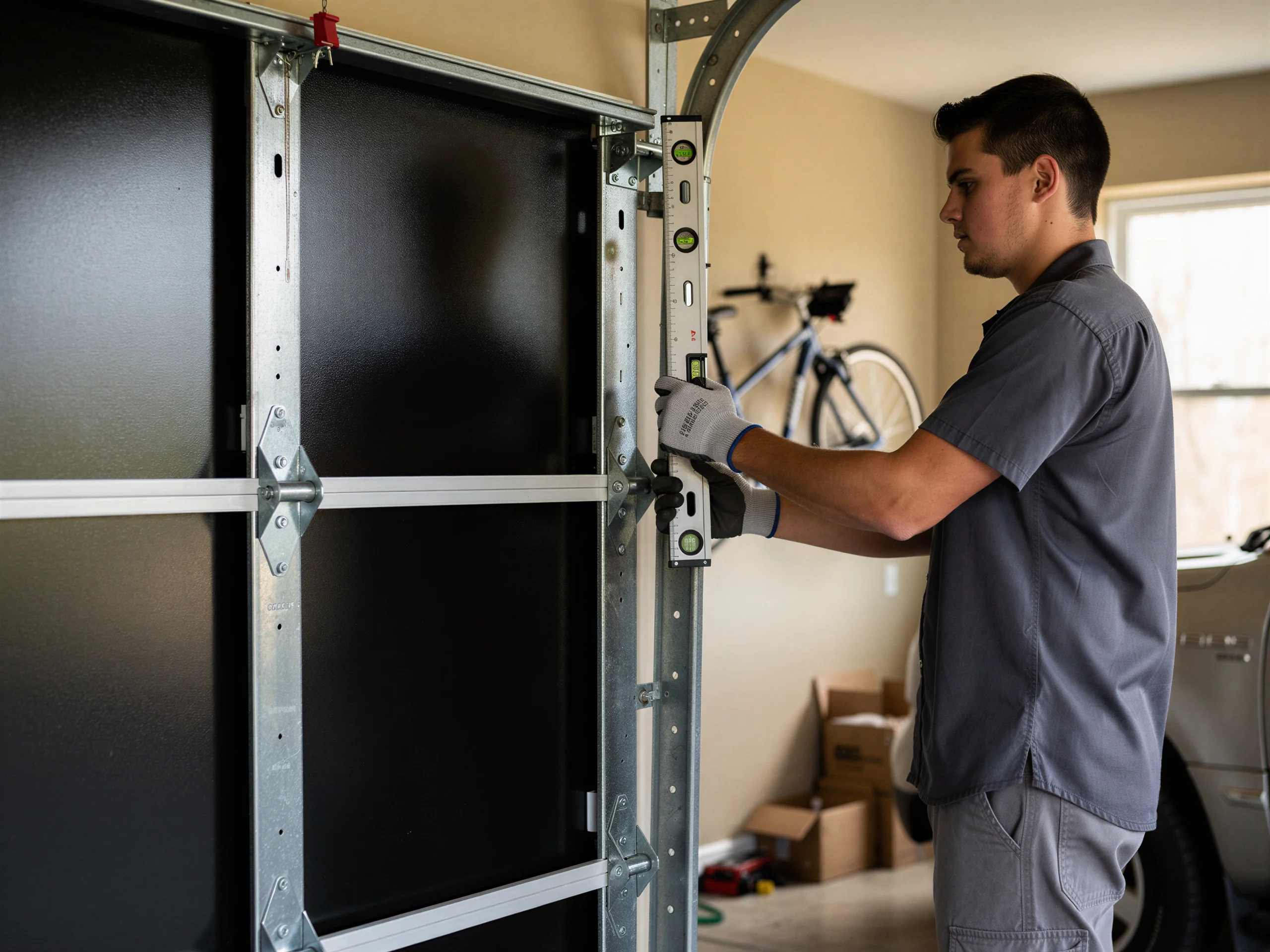
Garage Door Repair for Clarksville's 1980s and 90s Housing Stock
Garage door repair for Clarksville homes built in the 1980s and 90s, where original springs and tracks are now hitting the end of their service life. Learn more →Ready when you are
Need a garage door sorted in Clarksville?
Clarksville Garage Door Pros repairs and installs garage doors, springs and openers in Clarksville, TN and the surrounding area.